

 (803) 272-4503

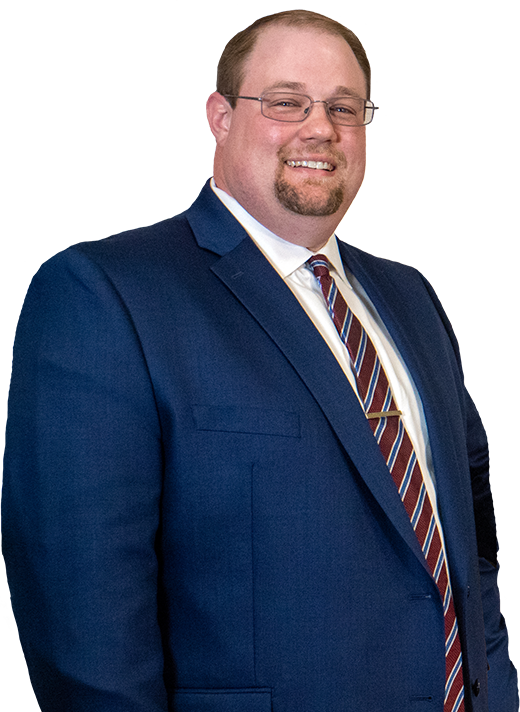
In Episode 12 of the Direct Examination podcast, host Joseph Bias welcomes three Charleston School of Law graduates: Kenny Gardner (member at Butler Snow), LaRon Washington (Assistant Attorney General in the SC State Grand Jury Insurance Fraud Department), and Nick Lewis (criminal defense and personal injury attorney at Currie Law Firm).
The panel dives into the realities of work-life balance for married attorneys raising young children, contrasting the billable-hour demands of corporate defense and private practice against government prosecution schedules. The guests share actionable advice for young and minority attorneys on navigating firm politics, managing mental health through hobbies and firm sabbaticals, and building an essential professional support network. The episode wraps up with humorous and memorable courtroom war stories, including an unforgettable trial-in-absence acquittal.
Key Topics Covered
-
Guest Profiles & Career Trajectories: Kenny Gardner (Butler Snow), LaRon Washington (Assistant AG), and Nick Lewis (Currie Law Firm) outline their paths through clerkships, public defense, prosecution, and specialized litigation.
-
Work-Life Balance & Time Management: Strategies for balancing family life with billing requirements, from Kenny’s 3:30 AM workouts to setting strict client communication boundaries.
-
Government vs. Private Practice: Comparing predictable 8:30 AM to 5:00 PM government prosecution hours against the on-call, client-driven demands of private defense.
-
Navigating the Profession as Minority Attorneys: Advice on handling firm dynamics, dressing the part, working “twice as hard,” and focusing on personal growth rather than internal firm competition.
-
Mental Health & Preventing Burnout: The necessity of taking sabbaticals, engaging in physical hobbies (like long-distance running), and disconnecting from work to remain effective advocates.
-
Courtroom War Stories: Nick getting stuck on a muddy backcountry road during a murder investigation, Kenny’s emotional client connection in a Graniteville train derailment case, and LaRon’s loss in a seemingly “airtight” drug trial.
Transcript
Joseph Bias: Welcome, y’all, to the Direct Examination podcast. My name is Amber Fulmer. I’m Dayne Phillips. And I’m Joseph Bias. This week’s guests are all South Carolina attorneys and Charleston School of Law graduates. We have Kenny Gardner. Kenny’s a graduate of the College of Charleston Honors College and Charleston School of Law, handling construction defect, environmental torts, personal injury, and contract disputes at Butler Snow. Welcome, Kenny.
Kenny Gardner: Thank you for having me.
Joseph Bias: LaRon Washington is a Wofford College and Charleston School of Law graduate who has served as a law clerk, solicitor, and now Assistant Attorney General in the State Grand Jury Insurance Fraud Department. Welcome, LaRon.
LaRon Washington: You kidnapped me, much like you did when I was in high school!
Joseph Bias: Finally, we have Nick Lewis, who started as a public defender in Dillon, worked as a prosecutor, and now practices criminal defense and personal injury with the Currie Law Firm in North Charleston. Welcome, Nick.
Nick Lewis: Thanks, man, thanks for having me.
Joseph Bias: I want to talk about work-life balance. Kenny, you handle billable hours and have three kids. How do you manage home life and work life?
Kenny Gardner: You have to make it a priority. The law is a jealous mistress and takes as much time as you give it. My dad was in prison for 20 years, so my children are going to know who I am because I’m going to be around. I work to live; I don’t live to work. I wake up at 3:30 AM, hit the gym, do work, hang out with my kids when I get home, put them to bed, spend time with my wife, and do a little more work. Use your time during the day efficiently, and learn to talk to experienced colleagues for advice on billing.
Joseph Bias: Nick, transitioning from government work to private practice, how do you handle clients calling at all hours?
Nick Lewis: It’s an adjustment. It’s about working smarter, not harder. You have to stay flexible because a client or case might require you to be there early or late. You have to prepare yourself for the unexpected.
Kenny Gardner: The strange thing is living your life in six-minute increments. You have to make a point to unplug and be a husband, father, and son on top of being a lawyer. If all you do is work, you get worn down, which leads to high burnout and suicide rates in our profession. You cannot serve your clients if you aren’t mentally well.
LaRon Washington: Working in government, my perspective is that I go in at 8:30 AM, use my time wisely, and at 5:00 PM I’m done unless there’s an ongoing trial. That’s why I made the conscious decision to stay in government—I value my weekends and taking vacations with my family.
Joseph Bias: What advice would you give to young minority attorneys entering the profession?
LaRon Washington: Find commonalities with people you work with. Also, as a Black attorney, you often have to work harder, look the part, and be fresh. You have to be twice as good.
Nick Lewis: Don’t limit yourself geographically starting out. I took a public defender job in Dillon right out of law school to gain trial experience, which made it easy to transition back to Charleston later.
Kenny Gardner: Run your own race. Don’t put unnecessary stress on yourself trying to compete with others. Compete with yourself, consistently do your best work, and the cream will rise to the top.
Joseph Bias: Let’s end with your best war stories! Nick, go ahead.
Nick Lewis: As a prosecutor in Moncks Corner preparing for a murder trial, we drove down a muddy dirt road out in the woods to interview a witness. Our car got completely stuck with no cell service. We had to walk through the woods to the witness’s house, and by the grace of God, they owned a tow truck business and pulled our car out!
Kenny Gardner: Early in my career on the Graniteville train derailment class-action opt-out cases, I prepped a client whose mother had passed away from chlorine gas exposure. We worked hard and settled the case for a great number. At the end of a follow-up phone call, the client paused and said, “I love you,” and after a long pause, I said, “I love you too!” My wife walked in right as I hung up asking who I was talking to!
LaRon Washington: In my very first General Sessions trial as a prosecutor, we had a trial-in-absence for a hotel drug bust. We had video of the buy, marked bills in his pocket, a pocket full of marijuana, and a recorded confession where he said “They’re mine, all mine!” The defense attorney’s argument was literally: “Ladies and gentlemen, ask yourselves why this case is too good?” The jury came back in under two hours with a “Not Guilty” verdict! To top it off, the defendant walked into my office the next morning asking if he could get his cash and cell phone back!
Joseph Bias: Having a support network makes this practice easier and better. Follow us @SCLawPod on Twitter and Facebook, Joseph @JosephPBias, Dayne @SCCrimLawyer, and Amber @actredjudicata. See y’all next week!