

 (803) 272-4503

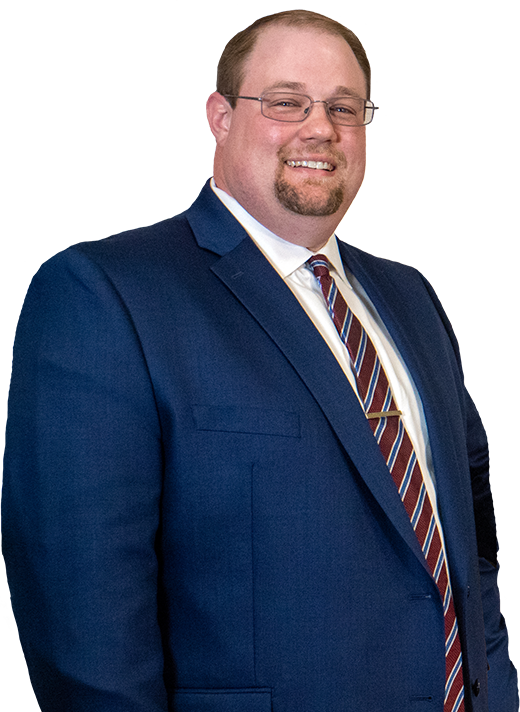
In this episode of the Direct Examination Podcast, hosts Joseph Bias, Dane Phillips, and Amber Fulmer (returning from medical leave) welcome Donna White, Associate Director of South Carolina for Criminal Justice Reform (SC4CJR) and owner of Donna White Counseling & Consulting. Donna—a Licensed Professional Counselor and Licensed Addictions Counselor with over 17 years of experience—breaks down the intersection of mental health and addiction within the justice system. The episode covers national and state statistics, the neuroscience behind addiction as a brain disease, early substance exposure among South Carolina youth, attorney mental health, and SC4CJR’s new statewide resource directory for treatment and recovery services.
Key Topics Covered
-
Amber’s Return & The Podcasting Boom: Celebrating Amber’s return to the show, Dane co-hosting with his daughters, and acknowledging the expanding ecosystem of South Carolina legal podcasts.
-
Prevalence of Mental Illness & Addiction in the Justice System:
-
National Statistics: According to NAMI, 1 in 5 adults experience mental illness, 1 in 25 experience severe mental illness (e.g., schizophrenia, bipolar disorder), and nearly 2 million people with mental illness are booked into jails annually.
-
Substance Abuse Impact: According to NIDA, approximately 85% of the U.S. prison population either has an active substance use disorder or was incarcerated for a crime related to drug/alcohol use.
-
-
Addiction as a Chronic Brain Disease:
-
Neurological Hijacking: How addictive substances flood the brain’s reward system with dopamine, tricking the limbic system and amygdala into treating the substance as an essential survival need.
-
Prefrontal Cortex Impairment: How repeated substance exposure impairs the prefrontal cortex—the area responsible for decision-making, impulse control, and consequence reasoning.
-
-
Early Onset in South Carolina: Addressing data showing that the average age of first experimental substance use in South Carolina is approximately 10 years old.
-
Attorney Mental Health & Wellness:
-
High-Achiever Pressures: Why high stress, perfectionism, and “after-hours drinking culture” put legal professionals at elevated risk for depression and substance use disorders.
-
Support Resources: Promoting self-care as “mental grooming” and highlighting the South Carolina Bar’s 5 free, confidential counseling sessions available to members.
-
-
SC4CJR Statewide Resource Directory: Launching a comprehensive, region-by-region online directory (
sc4cjr.org) cataloging mental health clinics, addiction treatment facilities, AA/NA/CA support groups, and recovery resources.
Transcript
An edited transcript of the episode is included below.
Amber Fulmer: Welcome y’all to the Direct Examination Podcast! I’m Amber Fulmer.
Dane Phillips: I’m Dane Phillips.
Joseph Bias: And I’m Joseph Bias! Amber, you’re back! Welcome!
Amber Fulmer: Yay! It’s good to be back in the land of the living! (laughs)
Joseph Bias: It feels like it’s been forever! How are you doing?
Amber Fulmer: Good! Good to be back after all the sinus pressure and medical tests.
Joseph Bias: Dane, how are things on your end?
Dane Phillips: Living the dream! I’ve got the baby in one arm and my four-year-old co-host in the other!
Joseph Bias: (laughs) We are building the next generation of legal podcasters right here. Today’s episode focuses on a topic that touches nearly every aspect of the criminal justice system: Mental Illness and Substance Abuse in the Criminal Justice System. To help us break this down, we have an incredible guest. Amber, introduce her!
Amber Fulmer: Our guest today is Donna White! Donna is the Associate Director of South Carolina for Criminal Justice Reform (SC4CJR) and the owner of Donna White Counseling & Consulting. She is a Licensed Professional Counselor and Licensed Addictions Counselor with over 17 years of experience treating mental health and substance use disorders. She has worked extensively in detention centers, inpatient facilities, and with at-risk youth. Welcome to the show, Donna!
Donna White: Thank you guys so much for having me!
Joseph Bias: Donna, let’s start with the big picture. When we look at individuals entering jails and prisons across South Carolina and the country, what do the statistics tell us about mental illness and addiction?
Donna White: According to NAMI (National Alliance on Mental Illness), 1 in 5 adults experience mental illness, and 1 in 25 live with a severe mental illness like schizophrenia or psychotic disorders. Nearly 2 million people with mental illness are booked into local jails every single year.
When you look at substance use, NIDA (National Institute on Drug Abuse) estimates that roughly 85% of the prison population either has an active substance use disorder or was incarcerated for a crime directly related to drug or alcohol use.
Dane Phillips: As a criminal defense attorney, those numbers match what we see in court every day. Most offenses stem from unaddressed mental health issues or self-medicating for underlying trauma.
Donna White: Exactly. People often dismiss addiction as a “moral failing” or a “simple choice,” but the science shows that addiction is a chronic brain disease.
Amber Fulmer: Can you explain what actually happens in the brain when someone develops an addiction?
Donna White: Absolutely. When you first try a substance, choosing to take it is a choice. But addictive drugs short-circuit the brain’s reward system by flooding it with dopamine—far beyond what natural rewards like food or exercise produce.
Over time, repeated use hijacks the limbic system and the amygdala—the survival center of the brain. The amygdala begins sending signal cues that the substance is as necessary for survival as food, water, or shelter. Simultaneously, it weakens the prefrontal cortex—the front part of the brain responsible for reasoning, impulse control, and evaluating consequences. So when an addicted person makes a decision, the survival drive overpowers their ability to reason.
Dane Phillips: That explains why telling someone to “just stop” or “be a better parent/citizen” completely fails to address the underlying disease.
Donna White: Right. You wouldn’t tell a diabetic to “just stop” needing insulin. The encouraging news is that the brain is remarkably resilient. With proper treatment, counseling, and sustained abstinence, those neural pathways can heal over time.
Joseph Bias: What about early exposure in South Carolina? What age are kids first encountering substances?
Donna White: Data shows that the average age of first experimental substance use in South Carolina is around 10 years old. Kids encounter alcohol, nicotine, or marijuana in middle school or at home, often using them as coping mechanisms for stress, peer pressure, or family trauma.
Amber Fulmer: Let’s pivot to legal professionals. Lawyers face extremely high rates of depression, anxiety, and alcohol abuse. What factors make attorneys so vulnerable?
Donna White: Lawyers work in high-stress, high-achievement environments with heavy caseloads and immense pressure to succeed. You are constantly taking on other people’s trauma and problems. Additionally, the legal culture historically normalized drinking after work as the primary way to decompress.
Lawyers often hesitate to seek help because they fear judgment, stigma, or questioning their professional competence. But seeking mental health counseling is no different than routine physical healthcare or personal grooming.
Dane Phillips: And as a reminder to every South Carolina Bar member listening: your bar dues pre-pay for 5 free, confidential counseling sessions every year through the Bar’s Lawyers Helping Lawyers program.
Donna White: Please use them! You don’t have to wait until you’re in crisis to seek therapy.
Joseph Bias: Donna, tell us about the new resource directory SC4CJR is launching.
Donna White: We have compiled a comprehensive, statewide resource directory that will be hosted on our website (sc4cjr.org). It catalogs mental health facilities, substance abuse treatment centers, and self-help recovery groups (AA, NA, CA) categorized by region. It’s designed as a one-stop tool for defense attorneys, judges, families, and individuals looking for immediate treatment options.
Joseph Bias: Donna, thank you so much for joining us and for the critical work you are doing across South Carolina!
Donna White: Thank you guys for having me!
Dane Phillips: You can follow Donna on Twitter @DonnaWhiteLPC and check out the new resource guide at sc4cjr.org.
Joseph Bias: Follow us on Twitter and Facebook @SCLawPod, Dane @SCCrimLawyer, Amber @RedJudicata, and Joseph @JosephPBias. Leave us a five-star review, and we’ll see y’all next week on the Direct Examination Podcast!