

 (803) 272-4503
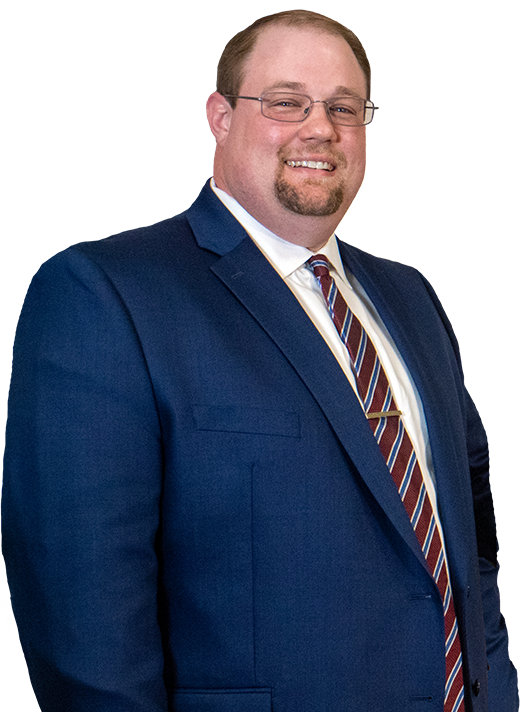
In Episode 7 of the Direct Examination Podcast, co-hosts Amber Fulmer and Joseph Bias (with Dane Phillips absent) welcome Kirby Mitchell, Legal Director of the Greenville Medical-Legal Partnership (MLP) at South Carolina Legal Services. A 2013 SC Bar Foundation Legal Services Lawyer of the Year, Mitchell explains how embedding legal aid attorneys directly into healthcare settings addresses the social determinants of health—such as housing conditions, benefits access, special education needs, and utility shutoffs. The conversation explores the mechanics of MLP integration via electronic health records, partnerships with Prisma Health and Furman University, the growth of MLPs across South Carolina and nationally, and potential expansions into psychiatry, palliative care, and veterans’ services.
Key Topics Covered
-
Defining Medical-Legal Partnerships (MLPs):
-
Core Concept: Embedding legal aid attorneys into safety-net hospitals and clinics to treat “health-harming civil legal needs.”
-
Social Determinants of Health (SDOH): Medical care accounts for only ~20% of individual health outcomes and genetics ~20%, leaving ~60% determined by social, environmental, and economic factors that legal intervention can address.
-
-
Greenville MLP & Prisma Health Integration:
-
Launch & Growth: Launched in Fall 2016 at Prisma Health in Greenville, starting in behavioral pediatrics before expanding to general pediatrics and geriatrics, with plans to expand into psychiatry.
-
Epic EMR Integration: Clinicians (doctors, nurse practitioners, social workers) can refer patient-clients directly to legal aid through a dropdown menu within the Epic Electronic Medical Record system.
-
-
Interprofessional Education & Research:
-
Academic Collaboration: Partnering with Furman University’s Institute for the Advancement of Community Health to evaluate program outcomes, measuring health metrics like reduced emergency room visits and decreased medication reliance.
-
Cross-Disciplinary Training: Training healthcare, nursing, and social work students alongside legal professionals to break down traditional professional silos.
-
-
State & National Landscape:
-
South Carolina Programs: Highlighting Greenville’s MLP and Columbia’s CHAMPS program (based at the University of South Carolina School of Law), alongside emerging palliative care MLP initiatives at MUSC in Charleston.
-
National Presence: Growing from the first MLP in Boston (1993) to over 370 MLPs across 49 states and Washington, D.C.
-
-
Future Horizons:
-
Potential expansion into veterans’ services, diversionary/problem-solving courts (such as Judge Chuck Simmons’ veterans court in Greenville), and specialized chronic condition care (e.g., sickle cell, asthma).
-
National resource: The National Center for Medical-Legal Partnership (medical-legalpartnership.org).
-
Transcript
Amber Fulmer: Welcome y’all to the Direct Examination Podcast! My name is Amber Fulmer.
Joseph Bias: And I’m Joseph Bias! Thank you so much for joining us for South Carolina’s number one legal podcast. We appreciate your clicks, downloads, emails, and follows. If you haven’t already, please leave us a five-star review wherever you listen to your podcasts! Amber, how are you?
Amber Fulmer: I’m doing well! A little under the weather, but the baby just went to sleep, so we’re good to go!
Joseph Bias: Excellent! Dane is away on a work emergency today, but we wish him well and look forward to having him back on a future episode. Today we have an award-winning guest joining us. Amber, tell us about him!
Amber Fulmer: Our guest today is Kirby Mitchell, Legal Director of the Greenville Medical-Legal Partnership at South Carolina Legal Services! Kirby represents low-income clients in civil matters across South Carolina state and federal courts. In 2013, he was named Legal Services Lawyer of the Year by the SC Bar Foundation and SC Access to Justice Commission, and in 2015, he was honored by South Carolina Lawyers Weekly as a Leadership in Law awardee. Welcome to the show, Kirby!
Kirby Mitchell: Thank you guys so much for having me.
Joseph Bias: Kirby, we’re discussing Medical-Legal Partnerships today. For those who may be unfamiliar, what is an MLP, and why did this model develop?
Kirby Mitchell: In healthcare research, it’s widely recognized that clinical medical care accounts for only about 20% of a person’s overall health outcomes. Genetics accounts for another 20%. That means the majority—60%—is determined by social determinants of health: housing environment, food security, income stability, and safety. An MLP embeds legal aid attorneys directly into safety-net hospitals and clinics. When a doctor identifies a health-harming civil legal problem—like an asthma patient living in a mold-infested apartment or a diabetic family facing a utility shutoff—they can refer that patient to a street lawyer like me to solve the underlying legal issue.
Joseph Bias: How did the MLP in Greenville come together?
Kirby Mitchell: The first MLP in the country started in Boston in 1993. In Greenville, South Carolina Legal Services partnered with Prisma Health and Furman University, launching in the fall of 2016. I have an office right inside Prisma Health. We started in behavioral pediatrics, helping children with developmental delays, autism, and special education needs—handling IEP school hearings and guardianship matters. From there, we expanded into general pediatrics and geriatrics.
Amber Fulmer: How does a doctor actually send a case over to you during a clinic visit?
Kirby Mitchell: Clinicians—doctors, nurse practitioners, social workers—are trained to screen for legal needs. Through Prisma Health’s Electronic Medical Record system (Epic), clinicians can literally select “Medical-Legal Partnership” from a dropdown referral menu, sending the case directly to my office just like they would refer a patient to a medical specialist.
Amber Fulmer: What other MLPs exist in South Carolina and nationwide?
Kirby Mitchell: Nationwide, there are over 370 MLPs across 49 states and D.C. In South Carolina, besides our program in Greenville, there is an excellent law school clinic MLP in Columbia called CHAMPS at the UofSC School of Law, run by Professor Emily Suski. There are also efforts underway at MUSC in Charleston focused on palliative care.
Joseph Bias: You mentioned Furman University’s involvement as an educational partner. What role do they play?
Kirby Mitchell: Furman’s Institute for the Advancement of Community Health conducts evaluation and research for us. Rather than measuring a lawyer’s success solely by billable hours or case counts, we measure outcome metrics: Does legal intervention reduce emergency room visits? Does it decrease medication reliance? Does it improve school attendance for pediatric patients? Furman helps us track those health outcomes. Furthermore, we teach undergraduate, nursing, and social work students so future healthcare professionals learn how to spot legal issues early.
Amber Fulmer: Looking ahead, what other patient populations could benefit most from this collaborative approach?
Kirby Mitchell: Psychiatry is our next immediate expansion at Prisma Health. Beyond that, specialized populations like veterans, cancer patients, or people managing chronic conditions like sickle cell anemia benefit immensely. In Greenville, Judge Chuck Simmons runs an incredible Veterans Court; combining diversionary courts with civil legal support through an MLP model could remove significant barriers for veterans rebuilding their lives.
Joseph Bias: Kirby, before we wrap up, I have to ask a critical question: Working daily alongside both professions, who has the bigger ego—lawyers or doctors?
Kirby Mitchell: (laughs) It’s a dead heat between doctors and lawyers! But the real winner is the PhD academics we work with at the universities—they’ve checkmated both of us! (laughs)
Joseph Bias: (laughs) Perfect answer! Kirby, thank you so much for taking the time to share your work with us. Where can listeners find more information about Medical-Legal Partnerships?
Kirby Mitchell: Anyone interested in South Carolina can contact South Carolina Legal Services, or explore the National Center for Medical-Legal Partnership at medical-legalpartnership.org.
Joseph Bias: Thank you, Kirby! To our listeners, check out the show notes for links and resources from today’s episode. Follow us on Twitter and Facebook @SCLawPod, Dane @SCCrimLawyer, Amber @RedJudicata, and Joseph @JosephPBias. Leave us a five-star review, and we’ll see y’all next time!