

 (803) 272-4503

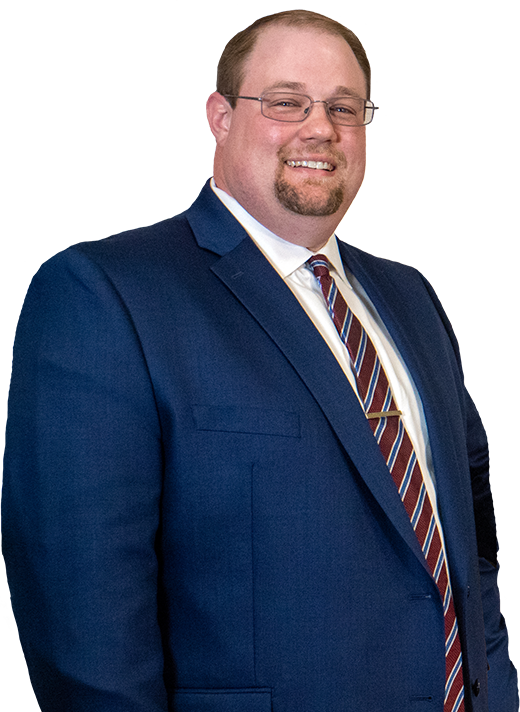
In Episode 13 of the Direct Examination podcast, hosts Amber Fulmer, Dayne Phillips, and Joseph Bias host a panel discussion featuring criminal defense attorneys from Columbia and Lexington. The panel includes J.L. Gilreath (a Lexington County public defender of over five years), Tyler Bailey (a solo practitioner handling criminal defense, personal injury, and civil litigation across South Carolina), and Joe Leventis (a former prosecutor turned criminal defense lawyer).
The roundtable explores systemic challenges in South Carolina’s criminal justice system, beginning with bond and bail reform. The guests analyze the gap between statutory presumptions of release and the reality of unaffordable cash bonds that force indigent defendants into guilty pleas. They examine the misuse of bench warrants, the lack of due process in bond revocations, systemic court backlogs, and unconstitutional solicitor docket control. Finally, the attorneys share what drives them to defend the accused and reflect on alternative career paths.
Key Topics Covered
-
Bond & Bail Reform: The statutory presumption of personal recognizance versus high cash bonds set without individualized findings of danger or flight risk.
-
Indigent Defense Disparities: How unaffordable bonds trap defendants in jail, threatening jobs and custody, and pressuring them into early plea deals.
-
Bench Warrants & Due Process: The absence of “rule to show cause” hearings prior to bond revocations, ex parte bench warrants, and holding defendants without bond.
-
Docket Backlogs & Solicitor Control: Years-long delays, excessive appearance notices (up to 37 per case), and the Charleston test order allowing attorneys to waive routine appearances.
-
The Calling of Defense Work: Finding satisfaction in hearing “not guilty,” protecting constitutional rights, and acting as gatekeepers against government overreach.
-
Cross-Examination: Alternate career interests, including major league baseball, real estate development, finance, and grocery bagging.
Transcript
Amber Fulmer: Welcome to the Direct Examination podcast. My name’s Amber Fulmer.
Dayne Phillips: And I’m Dayne Phillips.
Joseph Bias: And I’m Joseph Bias.
Amber Fulmer: Again, before we get started tonight, we wanted to thank everyone for listening and for following us on social media. We hope you’re both entertained and informed.
Joseph Bias: We’re proud to announce that we have increased our listenership every week! For our new listeners, go back and listen to the old podcast episodes.
Dayne Phillips: We do have a special episode for our listeners today. This is our very first roundtable discussion with criminal defense lawyers from Columbia and Lexington who are in the trenches defending the rights of the accused.
We have three attorneys on our panel today:
-
J.L. Gilreath: Public defender in Lexington County for the last five years.
-
Tyler Bailey: Solo practitioner from Columbia handling criminal defense, personal injury, and civil litigation.
-
Joe Leventis: Former prosecutor turned criminal defense attorney.
To start, let’s look at a major national and local issue: bond and bail reform. J.L., as a public defender, what is your perspective?
J.L. Gilreath: Bail and bond affect everyone who gets arrested. By statute, the presumption is supposed to be that you are released on your promise to appear unless a judge makes specific findings that you are an unreasonable danger to the community or a flight risk. But nine times out of ten, judges set bonds in the tens or hundreds of thousands of dollars without making those specific findings or considering an indigent person’s ability to pay.
Clients who can’t afford bond worry about losing their jobs, families, or custody, so it turns into “let me plead as soon as possible” just to get out. Other jurisdictions use pretrial supervision or transportation support rather than high cash bonds.
Dayne Phillips: Tyler, what do you see in private practice across different counties?
Tyler Bailey: I see bonds set based on the severity of the alleged crime or factored by a co-defendant’s bond rather than an individual assessment. There is a total lack of consistency statewide and countywide.
J.L. Gilreath: In Lexington, it almost seems like there’s a pre-filled, automatic bond amount for certain charges.
Dayne Phillips: That brings up bench warrants and due process. A bench warrant orders someone held in jail without bond. Often, bench warrants are issued ex parte without a “rule to show cause” hearing where a defendant can defend themselves against alleged bond condition violations. J.L., you fought this in Lexington.
J.L. Gilreath: Yes, we argued all the way up that issuing a bench warrant to arrest someone without a hearing based purely on an ex parte statement violates due process. Unlike arrest warrants, bench warrants carry no right to a bond hearing—you are stuck until a judge sees you.
Joe Leventis: In Richland County, we did motions to revoke bond with a hearing prior to locking someone up. Issuing ex parte bench warrants without a due process hearing is flat-out wrong.
Tyler Bailey: When a client is held on a bench warrant, prosecutors gain massive leverage. Clients facing long waits for a hearing often choose to take a plea just to go home, even if they have a strong defense.
Dayne Phillips: Another issue is docket control. In State v. Langford, the SC Supreme Court ruled that solicitor control of the court docket is unconstitutional, yet solicitors still control when cases and motions are called in most counties. In Charleston, they are testing a new system where attorneys can file appearance waivers to avoid unnecessary travel.
Joe Leventis: The defendant’s life is on pause while accused of a crime. We need a uniform statewide system because right now the odds are stacked against the average person.
Joseph Bias: Why be a criminal defense attorney or public defender?
Joe Leventis: Hearing a “not guilty” verdict from a jury! There is no better feeling than seeing the relief and joy on a client’s face—it trumps any amount of money.
Tyler Bailey: We are gatekeepers for a system that could otherwise railroad people. Everyone deserves a defense regardless of the charge, race, or economic status. Helping someone through the most difficult time of their life creates a lifelong bond.
J.L. Gilreath: As a public defender, you help the people who have been written off and abandoned. You can help connect them with programs and turn their lives around. Plus, I can pour myself into cases without worrying about whether a client can pay me.
Amber Fulmer: Time for Cross-Examination! What career path would you have chosen if you weren’t a lawyer?
Joe Leventis: Investment banking or finance.
Tyler Bailey: Real estate development, a rock star, or playing Major League Baseball!
J.L. Gilreath: I wanted to be the first woman to play Major League Baseball, a private investigator, or a grocery bagger at a store!
Joseph Bias: Thanks to our guests J.L. Gilreath, Tyler Bailey, and Joe Leventis! You can find Tyler Bailey @TylerDBaileyEsq, Joe Leventis at the Leventis Law Firm, and follow us @SCLawPod on Twitter, Facebook, and Instagram. Follow Joseph @JosephPBias, Dayne @SCCrimLawyer, and Amber @actredjudicata. See y’all next week!