

 (803) 272-4503
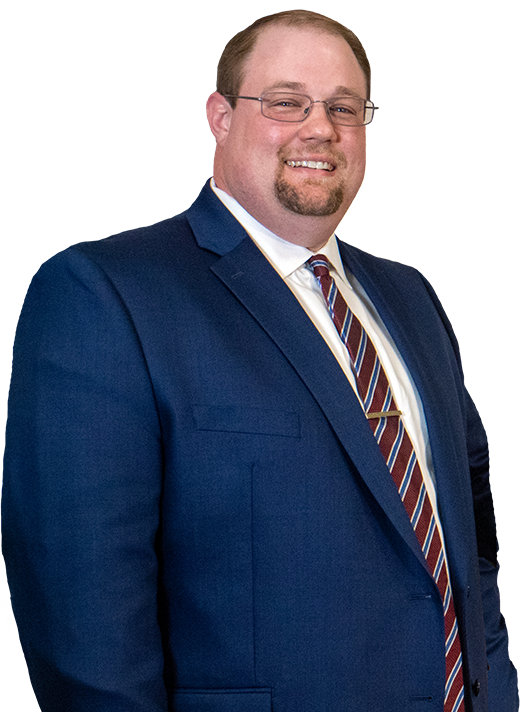
In Episode 15 of the Direct Examination podcast, hosts Dayne Phillips and Joseph Bias host Jennifer Rainville, an attorney with South Carolina Legal Services (SC Legal Services). With co-host Amber Fulmer out sick preparing for trial, the hosts explore the vital role civil legal aid plays as the non-criminal counterpart to public defenders across South Carolina’s 46 counties.
Rainville details the scope of SC Legal Services, outlining screening priorities for emergency housing, domestic violence, human trafficking, senior care, and special education advocacy. The discussion dives deep into systemic education law challenges—including child find obligations, school discipline, and the school-to-prison pipeline—as well as the complexities of heirs’ property title clearance for disaster recovery. Additionally, Rainville shares insights on private attorney involvement programs, law student internships, and ways the legal community can support access to justice.
Key Topics Covered
-
South Carolina Legal Services Overview: Operating as a statewide non-profit civil legal aid firm across nine regional offices to assist low-income residents in civil matters.
-
Screening & Priority Cases: Managing emergency filings, tenant evictions, consumer protection, senior representation (60+), and specialized grants for victims of crime and human trafficking.
-
Education Law & Special Education: Addressing school discipline cases that stem from unidentified special education needs, child find requirements, and interrupting the school-to-prison pipeline.
-
Due Process in School & College Discipline: Highlighting the lack of constitutional due process protections in higher education conduct hearings and public school expulsion proceedings.
-
Heirs’ Property & Title Clearance: Resolving unresolved family property titles so low-income residents can qualify for FEMA disaster relief or municipal home repair grants.
-
Pro Bono & Private Attorney Involvement: Opportunities for private attorneys to take overflow civil cases at $65/hour or donate through bar foundation initiatives.
Transcript
Dayne Phillips: Welcome to the Direct Examination podcast. My name is Dayne Phillips.
Joseph Bias: My name is Joseph Bias. It sounds so different without Amber. Amber is not here today—she is very sick and got an excused absence. While she was sick, she was working her butt off preparing for a trial, so she needed to rest. We wish her the best and hope she gets well soon.
We have a special guest today from South Carolina Legal Services. She works with a statewide non-profit firm providing civil legal assistance to eligible low-income residents across South Carolina in matters ranging from special education and school discipline to probate and heirs’ property. We’re thrilled to have Jennifer Rainville here today.
Jennifer Rainville: Thank you. It’s good to be here.
Joseph Bias: Which law school did you attend, and why did you choose legal services after graduation?
Jennifer Rainville: I went to Thomas Cooley in Michigan. I always knew I wanted to do public service work with low-income clients. In law school, I thought about public defense, but legal services allows me to fight for the underdog on the civil side.
Joseph Bias: For those who don’t know what SC Legal Services does, how would you describe the organization and its scope?
Jennifer Rainville: We are a statewide legal aid law firm with nine offices serving all 46 counties in South Carolina. We help low-income clients with a variety of civil matters: landlord-tenant, bankruptcy, education, consumer issues, and housing.
Dayne Phillips: How does someone apply and qualify for services?
Jennifer Rainville: Clients can call our toll-free intake line (1-888-346-5592) Monday through Thursday, apply online at sclegal.org, or walk into our office at 2109 Bull Street in Columbia for emergent issues like pending court hearings or eviction papers.
Dayne Phillips: Do you handle domestic relations cases?
Jennifer Rainville: We have priority criteria. Through specific grant funding—like the Victims of Crime grant—we represent victims of domestic violence without regard to income. We also evaluate child endangerment and safety issues when screening family law matters.
Joseph Bias: How is SC Legal Services funded?
Jennifer Rainville: Funding comes from the South Carolina Bar Foundation, the federal Legal Services Corporation (LSC), Victims of Crime grants, the Lieutenant Governor’s Office for Senior Representation (over age 60), and specialized human trafficking grants.
Joseph Bias: What is your typical caseload?
Jennifer Rainville: I currently have 88 open cases and close between 200 and 250 cases a year through advice, brief services, or full representation at hearings.
Dayne Phillips: What would you tell law students interested in working for a non-profit?
Jennifer Rainville: Come work for us! We offer summer internship programs, and USC students can apply for funding through the Condor Fellowship. On your very first day, you will interact with real clients, draft real documents, and gain hands-on experience.
Joseph Bias: What are the major issues you see in education law?
Jennifer Rainville: We handle school enrollment disputes, discipline, and special education. Often, a discipline case comes to us, and upon reviewing records, we find an unidentified special education need. Schools have a “child find” obligation under federal law to evaluate students for special needs. Addressing underlying academic or emotional disabilities prevents repeated suspensions, expulsions, and pushes back against the school-to-prison pipeline.
Dayne Phillips: College disciplinary hearings also lack fundamental due process.
Dayne Phillips: At the college level through Student Conduct offices, there is virtually no due process or right to cross-examine. Attorneys like Joe McCullough are pushing for legislative reform so students have meaningful representation.
Joseph Bias: Can you explain heirs’ property and why it’s a critical issue?
Jennifer Rainville: Heirs’ property is land passed down through generations without formal probate or clear title deeds. When natural disasters strike, homeowners cannot qualify for FEMA aid or municipal repair grants because the deed isn’t in their name. We assist families in clearing title so they can secure assistance and stay in their homes.
Dayne Phillips: How can private attorneys assist your mission?
Jennifer Rainville: Private attorneys can join our Private Attorney Involvement (PAI) program to take overflow cases—such as landlord-tenant or school discipline—at a reduced rate of $65/hour. Attorneys can also donate directly at sclegal.org.
Joseph Bias: Time for Cross-Examination! If you weren’t an attorney, what occupation would you choose?
Jennifer Rainville: If being serious, a social worker to stay in a helping profession. If choosing a totally different path, law enforcement!
Joseph Bias: Thank you, Jennifer Rainville, for all the work you do for South Carolinians! Anyone needing legal assistance can contact SC Legal Services at 1-888-346-5592 or visit sclegal.org. Follow us @SCLawPod on Twitter, Facebook, and Instagram, Joseph @JosephPBias, Dayne @SCCrimLawyer, and send Amber get-well wishes @actredjudicata!