

 (803) 272-4503

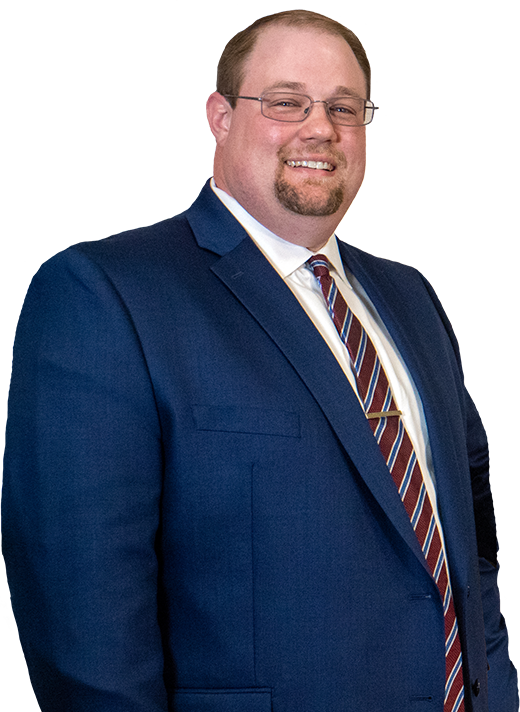
In this episode of the Obstructing Injustice Podcast, host Dane Phillips welcomes Maryland criminal defense attorney Oleg Fastovsky of Price Benowitz LLP. Fastovsky reflects on his non-traditional path to the law following the post-9/11 economic downturn, his experience clerking for an appellate judge, and his passion for trial advocacy built during his years head-coaching the University of Baltimore School of Law’s national competition team. Fastovsky shares critical career advice for young lawyers on the power of professional networking, overcoming the fear of going to trial, maintaining firm organization, and avoiding client-scaring sales tactics. The conversation also explores systemic abuses in the court system, Fastovsky’s love for My Cousin Vinny, his passion for competitive broomball, and two memorable war stories featuring a Hicks speedy trial waiver fumble and a falsely accused client cleared of manslaughter.
Key Topics Covered
-
Non-Traditional Path to the Law: Transitioning from a master’s in professional writing and biotech technical writing in San Diego to attending the University of Baltimore School of Law magna cum laude after being laid off post-9/11.
-
Appellate Clerkship as a Foundation: How clerking for Maryland Court of Special Appeals Judge Arrie W. Davis provided an invaluable “thousand-foot view” of trial errors and legal procedure before entering private trial practice.
-
Trial Advocacy & Coaching: Competing on and later head-coaching University of Baltimore’s national trial competition team for seven years, teaching students real-world courtroom gladiatorship over textbook theory.
-
Advice for Young Lawyers:
-
Build a Professional Network: Never be afraid to ask colleagues, mentors, or listservs (such as the Maryland Criminal Defense Attorneys’ Association) for advice on judges, trial strategies, or new case law.
-
Organization is Key: Disorganization and lost paperwork destroy client trust and sabotage winnable cases faster than bad facts.
-
Communicate Without Scaring Clients: Treat clients as frightened human beings looking for reassurance, not as targets for pressure-sales tactics.
-
-
Systemic Issue: Abuse of the Criminal System: How vindictive individuals occasionally weaponize false police reports and domestic violence charges against innocent defendants without facing legal recourse.
-
Cross-Examination Quick Hits:
-
Favorite Law Movie: My Cousin Vinny (praising its satire, humor, and surprising legal accuracy).
-
Favorite Law Book: True accounts and novellas of Innocence Project exonerations (highlighting Richard Phillips, who served 46 years for a wrongful conviction).
-
Historical Lawyer to Meet: Supreme Court Chief Justice Earl Warren (Miranda v. Arizona, Brown v. Board of Education, Loving v. Virginia).
-
Stress-Relief Activity: Playing competitive, national-level broomball (an ice-rink variation of hockey).
-
-
Courtroom War Stories:
-
The Hicks Waiver Fumble: As a brand-new attorney in Baltimore City Circuit Court, Fastovsky had to quietly ask the prosecutor for help when the judge instructed him to advise his client on waiving his Hicks speedy trial rights.
-
Clearing Raymond: Winning a not-guilty verdict for a bouncer falsely accused of assault by sequestering witnesses, and later getting manslaughter charges dismissed against the same client after proving a pizza delivery driver caused the fatal motorcycle crash.
-
Transcript
Intro Announcer: Welcome to the Obstructing Injustice Podcast, where you join criminal defense lawyers on our relentless pursuit of justice in defense of the accused and learn from courtroom gladiators who fight the good fight as we discuss the real practice of criminal law. Buckle up and get ready for the show!
(Intro Music Plays)
Dane Phillips: Welcome to the Obstructing Injustice Podcast! Our guest today is Oleg Fastovsky. He’s a criminal defense attorney in Maryland for Price Benowitz LLP, where he can be found in a courtroom fighting for his clients on a daily basis when he’s not in quarantine. I’m pleased to see that he put on a tie where I just left on my polo, so I’m still glad to have him given the extraordinary circumstances that we’re all going through.
He graduated from the University of Baltimore School of Law magna cum laude. For seven years, he was an associate professor at the Baltimore School of Law, where he was the head coach for the national competition team. He’s also a guest lecturer on gun laws and cannabis laws very frequently. He’s been an instructor at the Maryland Police Academy for constitutional law, and he’s very active in his community providing pro bono services for indigent clients as well as overall community service opportunities local to his area. He gives back, like all good criminal defense attorneys, where service comes first. So we just want to welcome you to the show!
Oleg Fastovsky: Thanks for having me on, I’m glad to be here.
Dane Phillips: Well, I guess the first thing that I always go into with somebody is—you know, this is a criminal defense lawyer podcast—why did you want to become a lawyer?
Oleg Fastovsky: It’s actually interesting in this time with this quarantine and what we’re dealing with now. I graduated from grad school back in May of 2001 and was relocated to San Diego by a biotechnology company. My master’s was in professional writing, and I worked in the biotech field doing technical writing and marketing—very technical, scientific-level stuff, nothing to do with law.
About three weeks after I moved out there, 9/11 happened. The economy went into shambles, and companies all over the board were shutting down or downsizing. One of our main overarching companies was in New York and was greatly affected by it. After several months, I was let go along with about one-third of the entire staff. I spent a few years trying to find my way. I was 23 years old with a master’s degree, ready to go forward, and my life felt stagnated.
After a few years, I decided I needed to step back to take two steps forward. My sister is an attorney and my stepfather is an attorney, and they both said, “You have the personality and drive that would go well in the courtroom.” So I looked into it, realized it was a great opportunity, moved back to Baltimore where I grew up, and went to the University of Baltimore School of Law.
Many students hate law school; they can’t stand the studying. I was different—I loved every second of it because I saw myself moving forward again. Even those late-night hours, the weekends, the cramming—all of that was a means to an end that I wanted so badly. Going to the courtroom, helping individuals, and making a real difference beat being stuck in a cubicle drafting scientific journals all day. It’s a much more rewarding experience.
Dane Phillips: Absolutely. So tell me about the beginning of your career. How did you actually learn the practice of law and specifically get into criminal defense?
Oleg Fastovsky: My first day in law school was in criminal law, which definitely caught my attention! As a 1L, I tried out for the trial team, which 1Ls typically don’t get onto. But the directors liked what they saw and selected me over 2Ls and 3Ls. For three years I competed on that team and loved being in trial. In law school, you do a lot of paperwork, research, and writing; having something that was real, adventurous, and combative was much more appealing to me.
By my third year, I was team captain. Out of our two teams, we took 1st and 3rd place in the regional competition, beating over 26 law school teams across the region, including some very high-tier schools. Handing them their asses was quite rewarding in its own way! After that, they asked me to take over the program, which is how I became adjunct faculty for seven years until my career and family took over my time.
When I graduated law school, I did an appellate clerkship for a year working for Court of Special Appeals Judge Arrie W. Davis. Doing appellate work gave me tremendous insight into what mistakes happen when a trial goes wrong. When I finished my clerkship, I chose criminal defense over civil job offers because I wanted to be in court every day helping people. The cases are far more compelling and real.
Dane Phillips: Having that opportunity to clerk for an appellate court judge is an amazing experience. I was an appellate defender coming out of law school, and having that bedrock foundation gives you a thousand-foot view of what mistakes to avoid and how the law is actually applied in real life. As we both know, law school doesn’t teach you how to practice law. So tell us about getting your first criminal defense job.
Oleg Fastovsky: I was finishing my clerkship around August of 2009. I sat down with a solo criminal defense practitioner whose associate had just moved to Pennsylvania. Within 30 seconds of sitting down, we both knew I was going to work for him.
He was exactly right: law school gives you the tools you need to learn to become an attorney, not to be an attorney. Trial team and the public defender clinic helped, but you start out doing small misdemeanors and work your way up to serious felony cases where a person’s life is on the line. You only get that through experience. My mentor, who had practiced for over 30 years, told me: “It’s called the practice of law because you’ll always be learning; it’s not the perfection of law.”
Dane Phillips: It really is an evolution. What is your advice to young lawyers out there on how to sharpen their skills and navigate private practice?
Oleg Fastovsky: Never be afraid to ask for help or advice from those around you. Networking is critical. Whatever issue or mistake comes your way, it’s very unlikely you’re the first person to go through it.
I’m part of a listserv through the Maryland Criminal Defense Attorneys’ Association where about 20 attorneys a day ask questions, share Supreme Court decisions, or seek advice on judges and trial strategy. Build that network early.
When I first started, I had never handled a Circuit Court case. My boss told me, “Go into Baltimore City Circuit Court and get a postponement. The prosecutor agreed, just stand up with the client, state the date, and you’ll get it.”
So I stood up, asked for the postponement, and the judge looked at me and said, “Very well, counsel, please advise your client as to Hicks.”
I looked at the judge, looked at my client, and had no idea what Hicks meant! I asked the judge for a moment’s indulgence, walked over to the prosecutor, and whispered, “I’m just here for a postponement, I have no idea what the judge just asked me. What am I supposed to do?” The prosecutor kindly whispered back, “He’s telling you that you have to advise your client to waive his statutory right to a speedy trial because the new date is past the 180-day Hicks deadline.” I said, “Oh, thank you!” I walked back, advised my client, he waived Hicks, and we left! Don’t be afraid to ask for help—we’ve all been there.
Dane Phillips: That’s a great anecdote! In my career, whenever I’ve reached out to experienced criminal defense lawyers for help, I’ve almost never been turned down. What common mistakes or pitfalls do you see young criminal defense attorneys make?
Oleg Fastovsky: The biggest issue I see is a lack of organization. Having a chaotic office or file system leads to mistakes. Nothing is more frustrating in court than watching an attorney fumble around for paperwork, forget an entry, or miss a filing. It destroys the client’s faith and sabotages winnable cases.
The second mistake is failing to take time to speak with clients and manage their fear. When a client or family comes to a criminal defense lawyer, they are terrified. They want to leave the conversation feeling better, not worse. Attorneys often try to use aggressive sales tactics to create an artificial “sense of urgency” to get hired. In a criminal case, the urgency is already there! You don’t need to scare them. Listen to them, explain the process, treat them as human beings, and build trust.
Dane Phillips: That’s crucial advice. Treat them like a friend who called asking for help. Listen to them first before you ever quote a fee.
Now for our signature section: which systemic issue in the criminal justice system bothers you the most?
Oleg Fastovsky: The frequent abuse of the criminal justice system by individuals using the courts as a weapon rather than a shield. Our system is designed to allow victims easy access to help, but it gets abused when individuals make fabricated criminal accusations out of spite—like an angry ex-partner making false domestic assault claims.
A client can sit in jail for days, lose their job, or lose their housing. Then on the trial date, the accuser doesn’t show up, the case gets dismissed, and nothing happens to the person who fabricated the charge! I’ve had cases where I produced text messages proving an alleged victim attempted to extort my client, or proved through alibi records that my client was across town, and yet the false accuser faced zero legal consequences for filing a false police report. That lack of recourse for fabricated charges is infuriating.
Dane Phillips: Absolutely. Vindictive false allegations wreck lives, and there needs to be real legislative recourse for abuse of process.
Now, let’s jump into our Cross-Examination section—quick, fun questions! What is your favorite law-related movie?
Oleg Fastovsky: My Cousin Vinny! It’s the top of the list. I have a hard time watching serious law movies or TV shows because when they take unrealistic legal shortcuts, I want to throw something at the TV! But with satire, you can get away with so much. Liar Liar is another great one. I actually used a line from My Cousin Vinny during a cross-examination once when an officer answered a question with, “You could say that,” and I responded, “I did say that, would you say that?” The prosecutor gave me a great eyebrow raise!
Dane Phillips: What is your favorite law-related book?
Oleg Fastovsky: Stories and accounts from the Innocence Project. Reading about cases like Richard Phillips—who spent 46 years in prison for a crime he didn’t commit before being exonerated—is mind-boggling. Seeing how weak or fabricated evidence sent innocent people to prison for decades puts everything into perspective.
Dane Phillips: Which lawyer in history would you want to meet?
Oleg Fastovsky: Supreme Court Chief Justice Earl Warren. He was an extraordinarily progressive thinker whose court delivered landmark decisions like Miranda v. Arizona, Brown v. Board of Education, and Loving v. Virginia. Miranda directly impacts the defense work I do every single day.
Dane Phillips: What is one non-law activity you do that makes you a better lawyer?
Oleg Fastovsky: I am a competitive broomball player! It’s a variation of ice hockey played on the ice in full helmet gear and shoes. I’ve played for 10 years, competed in national tournaments, and won a national championship about seven years ago. It’s a great way to blow off steam and collide with people!
Dane Phillips: What would be your dream job if you weren’t a lawyer?
Oleg Fastovsky: Aside from playing in the NFL—which my age has ruled out!—I think about Tom from MySpace. He sold MySpace for hundreds of millions of dollars and spent the rest of his life traveling the world and taking photos. As long as a job is rewarding and lets me spend time with my family, that’s the dream.
Dane Phillips: Finally, time for your courtroom war story!
Oleg Fastovsky: I’ll give you a recent victory and an unforgettable client. I represented a client named Raymond who has had to hire me twice in his life, despite having no prior criminal record.
Nine years ago, Raymond was charged with 1st Degree Assault following a bar fight where someone’s head was smashed into the pavement. The state’s key witness testified on the stand that he saw the attacker get escorted out the back door in handcuffs by police. On cross-examination, I got the witness to confirm that the attacker was definitely handcuffed on scene. What the witness didn’t know was that the arresting officer had already testified that Raymond was not arrested on scene and walked away freely that night! The jury acquitted Raymond.
Fast forward a few years later: Raymond was riding his motorcycle with his girlfriend on the back when a vehicle cut them off, causing a fatal crash that killed his girlfriend. Raymond was charged with negligent manslaughter. During our investigation, we discovered the driver was a pizza delivery driver who was lost, looking at his phone, and executed an illegal turn without signaling. We even tracked down a Facebook commenter who witnessed the crash and heard the delivery driver complain on scene that he needed to leave so his pizzas wouldn’t get cold! When I presented that evidence to the prosecutor, the entire manslaughter case was dismissed. Being able to stand tall and save an innocent man’s life twice is the most rewarding feeling in the world.
Dane Phillips: Hearing a “not guilty” verdict or getting a case completely dismissed for an innocent client is an indescribable feeling. Oleg, thank you so much for joining us on the podcast and sharing your passion for defense work! Where can people find you online?
Oleg Fastovsky: You can find me at Price Benowitz LLP (pricebenowitz.com), or on Avvo and Super Lawyers. If you’re in Maryland, just Google “Oleg Fastovsky”—I’m like Cher, when I call prosecutors, I just say “It’s Oleg” and they know who it is!
Dane Phillips: That’s great! Thanks again for listening to the Obstructing Injustice Podcast. Follow us on Twitter @injusticepod and on Facebook at The Obstructing Injustice Podcast. Remember, this podcast is for informational and educational purposes only, not formal legal advice. If you’re in Maryland and need a great criminal defense lawyer, call Oleg! Like, share, and subscribe, and we’ll see y’all next time!