

 (803) 272-4503
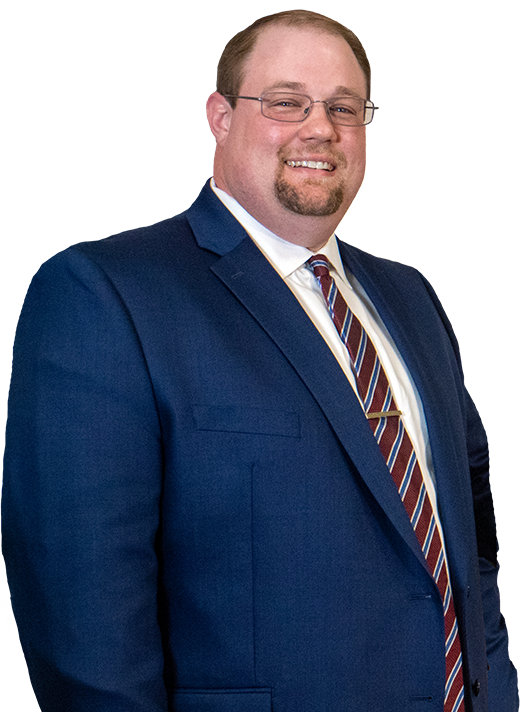
In this episode of the Direct Examination Podcast, co-hosts Dane Phillips and Joseph Bias are joined by estate planning and probate attorney Jonathan Spitz of Todd & Johnson Law Firm in Columbia, SC. With co-host Amber Fulmer away on family leave, Joseph and Dane dive into the critical ins and outs of estate administration. Jonathan—a Charleston School of Law graduate with an LL.M. in Tax from the University of Alabama and a former clerk for Richland County Probate Judge Amy McCulloch—demystifies the probate process, discusses the hazards of DIY wills and online templates, breaks down the four essential estate planning documents, explains the strategic use of trusts, and shares memorable probate courtroom war stories.
Key Topics Covered
-
The Four Essential Estate Planning Documents: Healthcare Power of Attorney, Financial Power of Attorney, Simple Will, and Living Will.
-
Pitfalls of Intestacy & DIY Wills: What happens when someone dies without a will in South Carolina, the 8-month creditor claim period, and why generic online templates often fail to grant necessary powers (such as real estate sale authorization or avoiding court intervention for minor heirs).
-
Property Ownership & Titling Nuances: The legal difference between “tenants in common” versus “joint tenants with rights of survivorship” on real estate deeds, and the critical distinction between “AND” vs. “OR” on vehicle titles.
-
Role and Function of Trusts: How trusts protect blended families/second marriages, hold out-of-state real estate, manage small business LLC interests, and preserve benefits for special needs children.
-
Probate Court War Stories: A four-hour courtroom “draft pick” dividing thousands of loose family photographs among five siblings, and a gut-wrenching paternity dispute raised by a grieving grandmother.
Transcript
Dane Phillips: Welcome y’all to the Direct Examination Podcast. I’m Dane Phillips.
Joseph Bias: And I’m Joseph Bias. Dane, good to see you!
Dane Phillips: God, it’s just us two again!
Joseph Bias: It’s just us again. Everything’s okay; Amber is still part of the podcast.
Dane Phillips: We love her! She’ll always be a part of the podcast.
Joseph Bias: But as those of you who heard our last episode know, there’s a work-life integration thing, and sometimes the life part takes over. So we look forward to having Amber back with us, hopefully next week. But today, you’re stuck with the two ugly ones! (laughs)
Dane Phillips: I know, sorry! Good thing it’s audio! (laughs)
Joseph Bias: Dane, how have things been?
Dane Phillips: Well, I’m not wearing a sweater vest in 90-degree weather! (laughs) But it’s going well.
Joseph Bias: As everyone who follows me on social media knows, if it’s Wednesday in the fall, it is Sweater Vest Wednesday. My new office at Midlands Tech has its own thermostat in my office that I can control, so I keep it at a cool 70 degrees.
Dane Phillips: Executive status!
Joseph Bias: That’s right! (laughs) But we do have a guest today!
Dane Phillips: Our guest today, before we waste any more of his time, is an attorney from the Todd & Johnson Law Firm in Columbia, representing clients with estate planning, corporation formation, and probate issues. It is none other than Jonathan Spitz! Holding down 25% of all Spitzes in South Carolina law! (laughs)
Joseph Bias: That’s right!
Dane Phillips: He was recently recognized as a Rising Star in the field by Super Lawyers in 2018 and 2019, earned his J.D. from Charleston School of Law, his LL.M. in Tax from Alabama, and got his undergraduate degree from Wofford College.
Joseph Bias: Jonathan, welcome!
Jonathan Spitz: Thanks, guys! Happy to be here.
Dane Phillips: You are a frequent presenter on estate administration issues statewide. When I did a call-in legal show for the public, the overwhelming majority of calls were probate-related. There’s definitely a void of knowledge that the public needs.
Joseph Bias: Before Jonathan gets started, of course: nothing heard on this podcast creates an attorney-client relationship. This isn’t legal advice. If you have a specific question, go see an attorney—go see Jonathan or the folks at Todd & Johnson. This podcast is for entertainment purposes only!
Dane Phillips: No legal advice, just having a good time.
Joseph Bias: All right, so with that disclaimer out of the way: Jonathan, at some point you decided three years of law school wasn’t enough, and you tacked on an LL.M. Can you explain what an LL.M. is and why you pursued it?
Jonathan Spitz: Sure. After law school, I clerked for Richland County Probate Judge Amy McCulloch. After that, I went into private practice and earned my Master of Laws (LL.M.) in Tax through a two-year executive program at Alabama while working full-time. Even though federal estate tax filing thresholds are currently high—you don’t have to file a federal estate tax return unless you have more than $11.4 million—the tax background is still immensely helpful. It applies to single-member LLCs, business succession planning, second marriages, and the intersection between probate and family law.
Joseph Bias: If someone in South Carolina is thinking about estate planning or recently had a family member pass away, why is it important to hire an attorney rather than just trying to handle it themselves or using LegalZoom?
Jonathan Spitz: When someone passes away, my job as an attorney is to take that pressure off the family so they can grieve without worrying about court deadlines or creditor notices. From an estate planning standpoint, if you just Google a template, you miss critical nuances. For example, if your will doesn’t explicitly grant the personal representative the power to sell real property, you have to get formal court approval just to sell a house. Or if you die without a will (intestate), half your estate goes to your spouse and half goes to your children—regardless of their age. If a minor child inherits over $15,000, the probate court has to get involved to manage that money until they turn 18.
Dane Phillips: What is the statute of limitations for creditors to file claims against an estate in South Carolina?
Jonathan Spitz: It’s eight months from the date of the first publication of the notice to creditors in the newspaper.
Joseph Bias: What happens when someone dies without a will (intestate)?
Jonathan Spitz: Any asset titled solely in the deceased person’s name is frozen in “limbo land” until the probate court appoints a Personal Representative (PR). The surviving spouse has priority to serve, but they can’t just walk into a bank and access sole accounts without court appointment certificates.
Dane Phillips: What are some common property titling mistakes people make?
Jonathan Spitz: With real estate, if a deed lists a husband and wife as “tenants in common,” half of the property must go through probate when one spouse dies. To avoid probate on real estate, the deed must specifically say “as joint tenants with rights of survivorship and not as tenants in common.” With vehicles, if the title says “Person A AND Person B,” half goes through probate. If it says “Person A OR Person B,” the survivor can transfer it directly at the DMV. A trick to remember: the “O” in “OR” stands for Outside of probate.
Dane Phillips: That’s a great mnemonic device!
Joseph Bias: What about trusts? People often think trusts are only for the ultra-wealthy.
Jonathan Spitz: You don’t need millions of dollars to benefit from a trust. Trusts are excellent for second marriages—you can ensure your surviving spouse is taken care of during their lifetime, while guaranteeing the remaining assets pass to your children from your first marriage. Trusts are also great if you own real estate in multiple states so you don’t have to open probate in three different states, or for holding small business LLC interests. They’re also essential for Special Needs Trusts, which allow a disabled child to receive an inheritance without disqualifying them from government benefits like Medicaid.
Dane Phillips: What are the four core estate planning documents everyone should have?
Jonathan Spitz:
-
Healthcare Power of Attorney: Appoints someone to make medical decisions if you’re incapacitated.
-
Financial Power of Attorney: Allows a trusted person to handle financial and bank accounts if you’re unable to.
-
Simple Will: Directs where your assets go, names guardians for minor children, and appoints your Personal Representative.
-
Living Will (Declaration for a Desire for a Natural Death): States your wishes regarding life-sustaining treatment and artificial nutrition/hydration.
Dane Phillips: What are the pitfalls of tech-based “DIY” wills or typing a will in a phone note?
Jonathan Spitz: In South Carolina, holographic (handwritten, unwitnessed) wills and digital notes on a phone are not valid. A valid South Carolina will must be in writing, signed by the testator, and witnessed by two disinterested witnesses in the testator’s presence.
Dane Phillips: At the end of every episode, we ask our guests for a war story. What’s one of your best stories from your practice or clerking days?
Jonathan Spitz: I had a probate case involving five siblings who could not agree on how to divide thousands of loose family photographs. All the photos had been scanned digitally, but every single child wanted the original physical photos. We went to the probate courtroom, drew numbers 1 through 5, and spent four hours doing an active “draft pick”—laying thousands of photos across the courtroom floor, jury box, and counsel tables while each sibling took turns picking one photo at a time!
Joseph Bias: A four-hour photo draft in open court! That’s unbelievable! (laughs)
Jonathan Spitz: Another tough case involved a young man who passed away unexpectedly. He had been engaged, and his fiancée had a young child that he had raised as his own. After he passed, his mother filed a petition in probate court claiming the child was not her son’s biological child in order to cut the child out of the estate. It was a heart-wrenching situation, but it highlights how probate court can mirror family court without the deceased person there to speak for themselves.
Joseph Bias: That really puts it in perspective. Jonathan, thank you so much for joining us and sharing your expertise. If someone wants to get in touch with you or learn more about Todd & Johnson, where can they find you?
Jonathan Spitz: You can find us online at toddandjohnson.com or follow me on Twitter @JonathanESpitz.
Dane Phillips: Thanks for listening, everybody! Please like, share, follow us @SCLawPod on Twitter, Facebook, and Instagram, @JosephPBias, @SCCrimLawyer, and @RedJudicata. Leave us a five-star review and we’ll see y’all next week!