

 (803) 272-4503

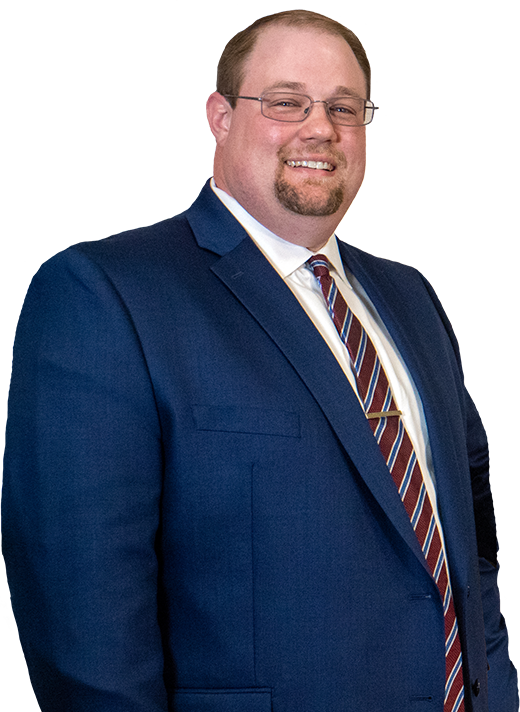
In Episode 4 of the Direct Examination podcast, hosts Dane Phillips, Amber Fulmer, and Joseph Bias host one of South Carolina’s most prominent legal and political figures, Dick Harpootlian. Harpootlian reflects on his career evolution from an accidental prosecutor in Richland County to a high-profile criminal defense attorney and prolific civil litigation lawyer.
The conversation covers historic courtroom battles—including his eight-week prosecution of notorious mass murderer Donald “Pee Wee” Gaskins—and details his trial philosophy, which draws inspiration from Abraham Lincoln’s hands-on approach to law. Harpootlian also discusses his 2018 campaign for South Carolina Senate District 20, driven by neighborhood activism in Columbia’s Five Points district, legislative transparency, public corruption, and systemic government reform. Finally, he offers pragmatic advice for young trial attorneys on building cross-examination skills in magistrate court.
Key Topics Covered
-
Accidental Origins in Prosecution: How founding an underground newspaper led Harpootlian to join Richland County Solicitor Jim Anders’ office in 1975.
-
Early Death Penalty & Trial Cases: Trying an armed robbery on day one and prosecuting his first death penalty case (State v. Thomas Earl Rogers) in 1975.
-
Prosecuting “Pee Wee” Gaskins: The eight-week trial of South Carolina’s most notorious mass murderer following a C4 death row bombing, and the personal threats against Harpootlian’s family.
-
Trial Philosophy & Human Connection: Viewing trials as storytelling, learning from Abraham Lincoln’s trial work, and using modern tools like smartphone video interviews to impeach witnesses.
-
Transition to Civil Litigation: Securing massive verdicts ($15 million bad faith arson case, $3.1 million in Allendale) by connecting authentically with juries.
-
Running for SC Senate District 20: Addressing Five Points 2:00 AM liquor licensing violations, public corruption, Baseload Review Act flaws, and fighting for teacher pay.
-
Advice for Young Trial Lawyers: Gaining courtroom experience in magistrate court DUI cases and seeking mentorship from veteran attorneys like Jack Swirling and Joe McCullough.
Transcript
Amber Fulmer: Welcome to the Direct Examination podcast. My name is Amber Fulmer.
Dane Phillips: And I’m Dane Phillips.
Joseph Bias: And I’m Joseph Bias.
Amber Fulmer: Before we get started this evening, we just wanted to thank y’all so much for your support. We’ve been very overwhelmed at the response that we’ve gotten on social media and your downloading and listening to our podcast. None of this would be possible without your support, so we greatly appreciate all the feedback. Please continue to do so. We have a huge upcoming schedule for y’all with special guests, so please follow us on Facebook, Twitter, and other social media accounts. I will now hand it over to Dane Phillips, who’s going to introduce our guest for today.
Dane Phillips: Thanks, Amber. Our guest today is one of the most notable figures in South Carolina, both as a lawyer and a politician: Dick Harpootlian. He started his career as a prosecutor in Richland County, transitioned into private practice, served as the Democratic party chairman for several years, and is now running as the Democratic nominee in South Carolina Senate District 20. Welcome, Dick. Thanks for joining us.
Dick Harpootlian: Thank you. Thank you for having me.
Dane Phillips: To start, tell us about your career as a lawyer. You started as a prosecutor, rose to elected solicitor in Richland County, entered private practice with Jack Swirling and Joe McCullough, and opened your own firm. How did you get into trial work and transition into high-profile civil litigation?
Dick Harpootlian: To understand how I began is to understand why I got into the practice of law. I never really wanted to be a lawyer or a prosecutor; it serendipitously happened. In the summer of 1974, while in law school, several folks and I founded an underground investigative newspaper called Osceola. We uncovered stories about government spending.
Jim Anders showed up at our office while running for solicitor against a 20-year incumbent, John Ford. I helped Anders with his campaign, and he won. I took the bar in November, and Anders offered me $10,200 a year to work for him. Legal Aid offered $8,200, so it was an easy choice.
I got sworn in on January 15, 1975. On my first day, the senior prosecutor asked if I’d ever tried a case. I said no. He took me upstairs to pick an armed robbery jury, told me to read the indictment, and then walked out. The judge told me to call my first witness. I threw up several times, but I won the case and realized I enjoyed trial work.
By August of 1975, I tried my first death penalty case (State v. Thomas Earl Rogers). Back then, pre-Furman v. Georgia, murder meant mandatory death unless the jury recommended mercy. We picked a jury Monday at 10:00 AM, and he was sentenced to death Tuesday at 11:00 AM.
Dane Phillips: Which ultimately led to you prosecuting Pee Wee Gaskins.
Dick Harpootlian: Right. Jack Swirling and I went against each other in that trial, which took eight weeks. Gaskins was serving 10 life sentences and took a contract to blow up an inmate named Tyner on death row using a quarter-pound of C4 explosive. Jury selection took four weeks because everyone knew him as the largest mass murderer in state history. We had tape recordings of him planning the bombing, so getting the conviction was straightforward. He was executed in 1991. Two weeks before his execution, he even tried to have my four-year-old daughter kidnapped, but the plot was foiled.
Being a solicitor isn’t just about getting convictions; it’s about doing justice and knowing when you can’t prove a case beyond a reasonable doubt. A solicitor is a Minister of Justice. I’m reading The Last Trial of Abraham Lincoln right now. Lincoln tried 2,000 cases—defended 70 murder cases, prosecuted, and handled civil matters. Being a lawyer means being able to represent either side without letting personal feelings interfere.
Joseph Bias: What keeps you doing trial work in particular?
Dick Harpootlian: It’s the most fun you can have with your clothes on. A trial is simply telling a story from your perspective. It’s about people.
A couple of years ago, I took a pro bono murder case for a 16-year-old kid alongside Chris Kenny. We went out into tough neighborhoods in Columbia and interviewed state witnesses on smartphones, getting video statements that contradicted their written statements. We used those videos to impeach them at trial, resulting in an 11-1 not guilty vote and an ultimate dismissal. Trying cases requires human connection.
I tried a bad faith insurance case in Greenville where the defense brought out five paralegals, PowerPoints, and out-of-state attorneys. I used poster boards, looked the jury in the eyes, and connected with them. The jury awarded us $15 million. It’s all about human connection.
Dane Phillips: Why run for office in 2018?
Dick Harpootlian: It started over a year ago in my neighborhood on Wheeler Hill. For years, Five Points bars transformed into cavernous drinking spots with thousands of drunk kids. I looked at the law and found that to sell liquor by the drink, a business must be “primarily and substantially” in the business of selling food. Many of these bars were doing only 5% to 12% in food sales. We filed objections to shut down non-compliant bars.
When Senator John Courson’s seat became vacant, I was frustrated with state government. Legislators aren’t doing their jobs; they pass acts like the Baseload Review Act or Act 388 without reading them. We pay schoolteachers 20% less than Georgia, yet part-time legislators get per diems and better pensions. I’m running to read every piece of legislation, expose systemic flaws, and demand transparency.
Dayne Phillips: What about public corruption?
Dick Harpootlian: As solicitor, I prosecuted public corruption cases, including USC President Jim Holderman and two ABC commissioners. When nobody is looking, corruption spreads. The legislature exempted itself from the Freedom of Information Act. Sunlight is the best disinfectant, and transparency is how you defeat corruption.
Amber Fulmer: What is the most memorable case in your career that didn’t get public notoriety?
Dick Harpootlian: As a prosecutor in the ’70s, I prosecuted a rape case involving a 13-year-old girl and a maintenance man. We had no physical evidence or DNA—pure credibility. I did a tough cross-examination, got him crossed up, made the argument to the jury, and won the conviction.
On the civil side, I love taking zero-offer cases that other lawyers turned down—like the $15 million arson verdict or a $3.1 million verdict in Allendale—and knocking them out of the park.
Dane Phillips: What advice would you give a young lawyer?
Dick Harpootlian: Go down to Magistrate Court, watch DUI trials, and offer to represent pro se defendants for free. You won’t learn courtroom skills sitting in a big firm office for ten years. Also, seek out mentors. Call veterans like Jack Swirling or Joe McCullough—they will take your call and give you guidance.
Joseph Bias: To wrap up, we have a quick round of Gamecock vs. Clemson football predictions!
Dick Harpootlian: Clemson goes 12-0. Clemson beats Carolina 28-14.
Amber Fulmer: Gamecocks win at least 7 games. Clemson wins the rivalry game 21-7.
Dane Phillips: Optimistic 9 wins for the Gamecocks, and Gamecocks win 31-28!
Joseph Bias: Thanks to our guest Dick Harpootlian, and thanks to our producer Brendy. Follow us @SCLawPod on Twitter, Instagram, and Facebook. Follow Joseph @JosephPBias, Dane @SCCrimLawyer, and Amber @RedJudicata. See y’all next week!